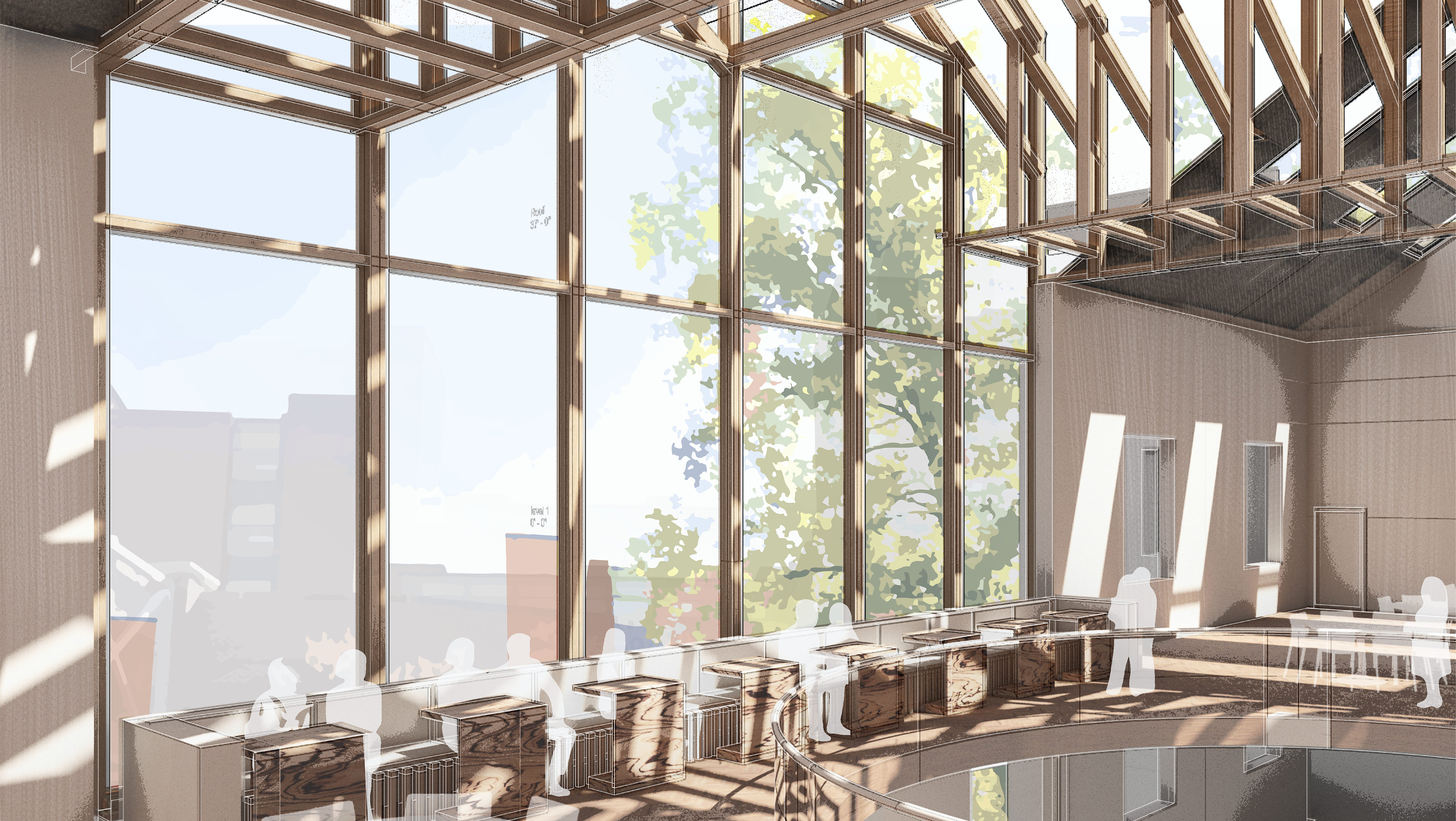
4th Year Fall Semester - BMA Studio with visiting professors Javier Sanchez and Aisha Ballesteros
Partner project with 5th year architecture student, Abby Eckl
In this interdisciplinary studio, we had the opportunity to study under visiting professors Javier Sanchez and Aisha Ballesteros of JSa. This studio got the incredible opportunity to begin the semester with an 8 day trip to Mexico City and Oaxaca to explore and learn about sustainable adaptive reuse, the work of Javier and his team, and the culture and history in Mexico.
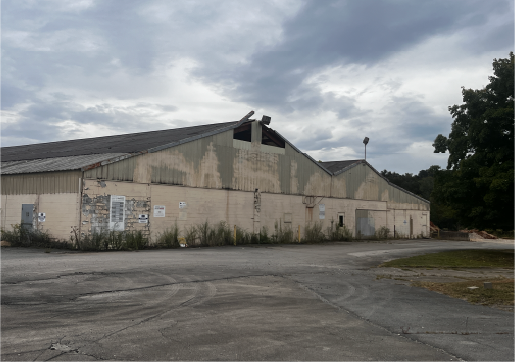
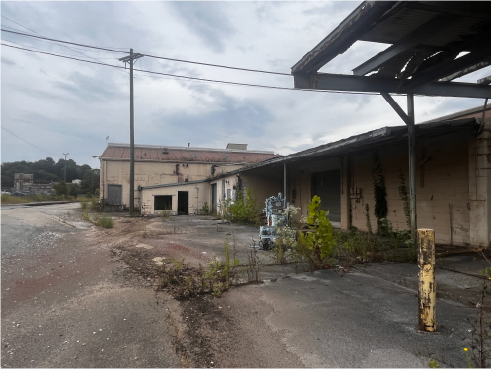
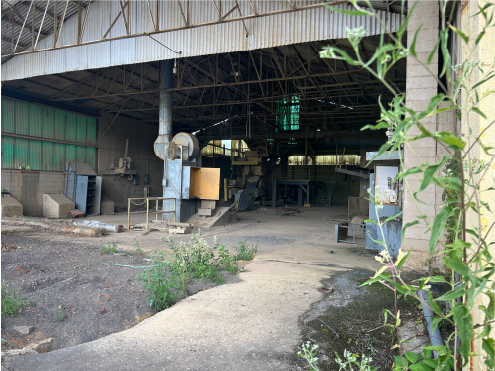
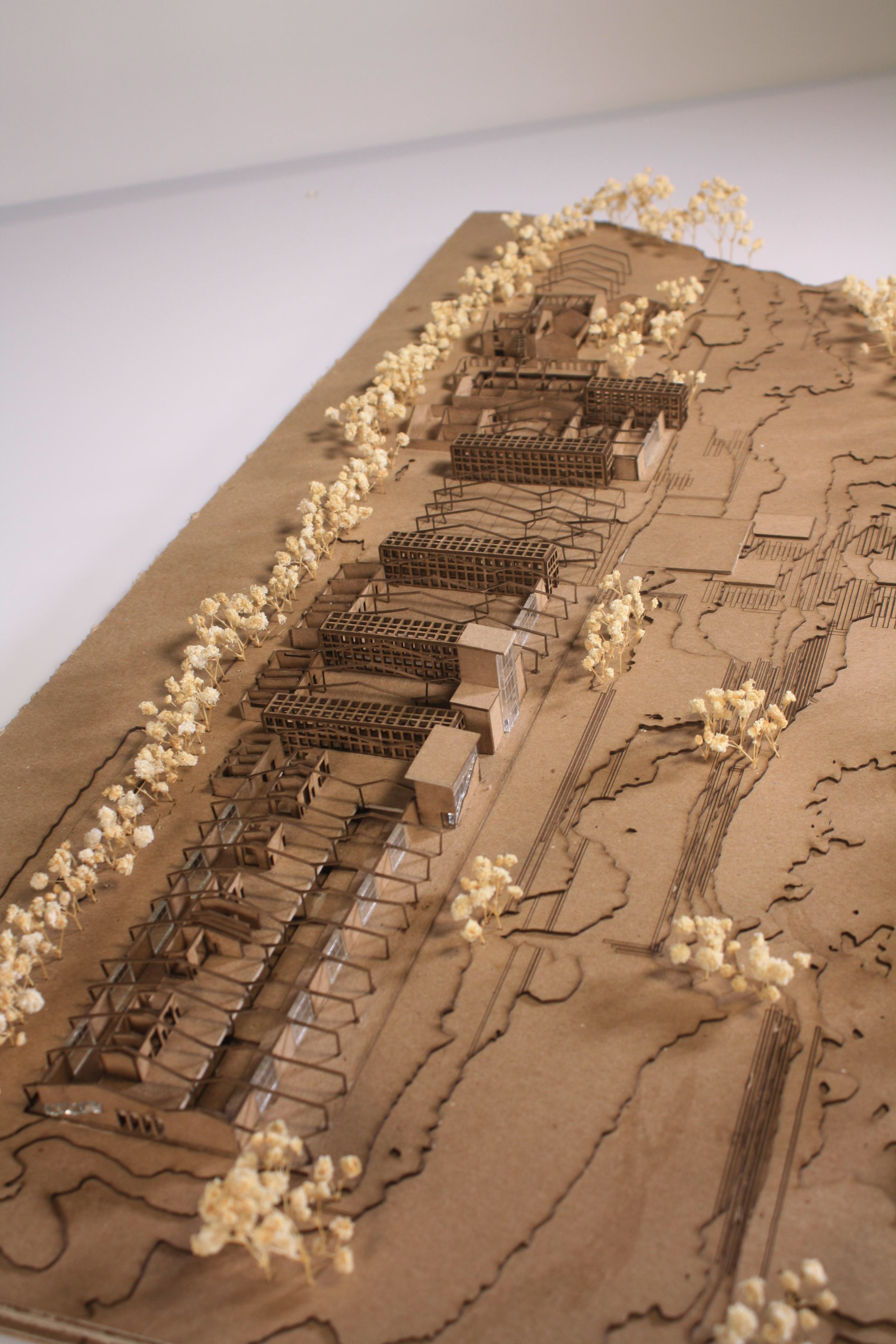
The site of our project is the old General Shale Brick Factory in Knoxville, TN. The Tennessee River sits about 300 feet south of the building, creating a beautiful experience with the water. The current building is a little over 120,000 square feet of warehouse
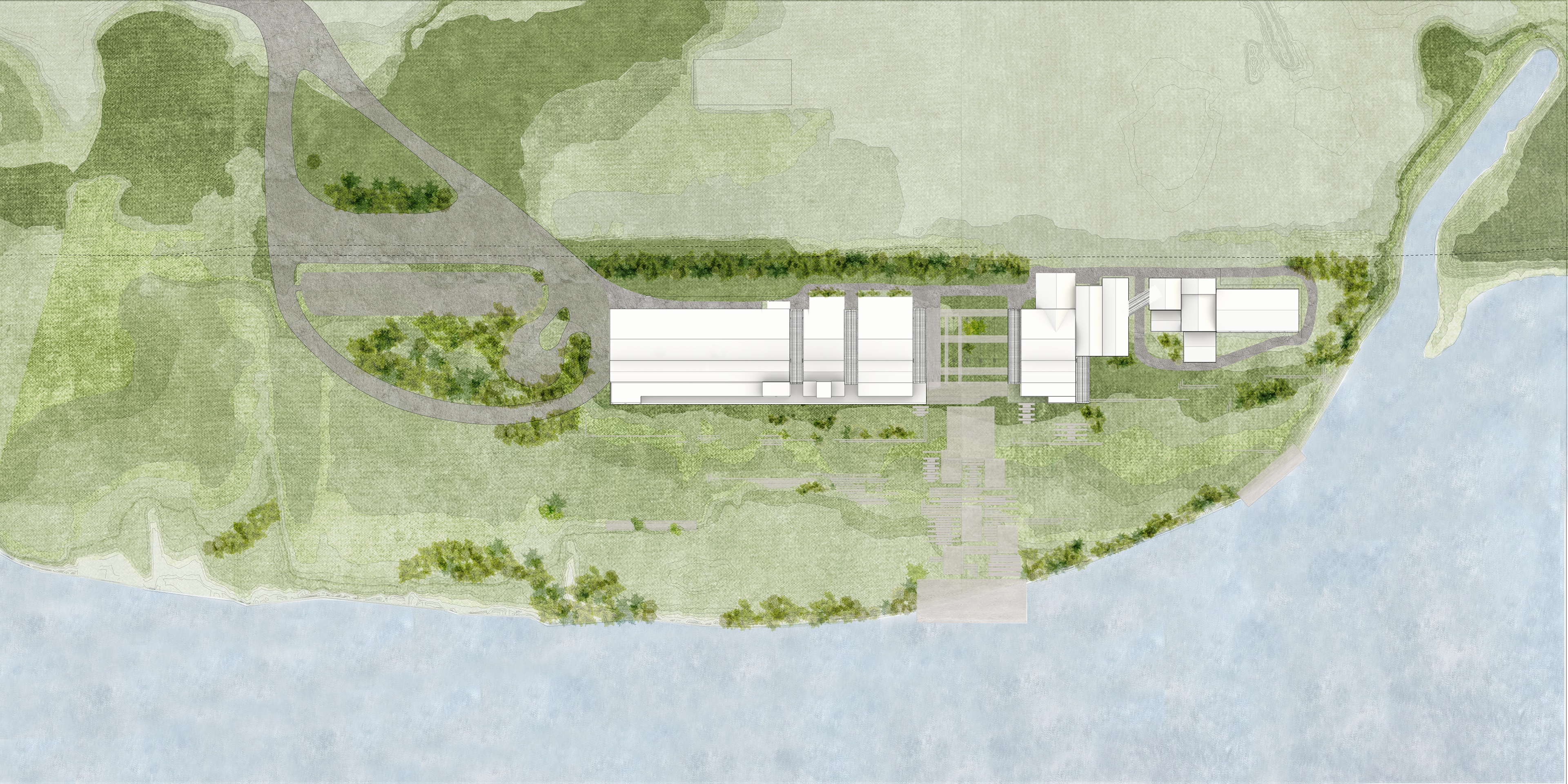
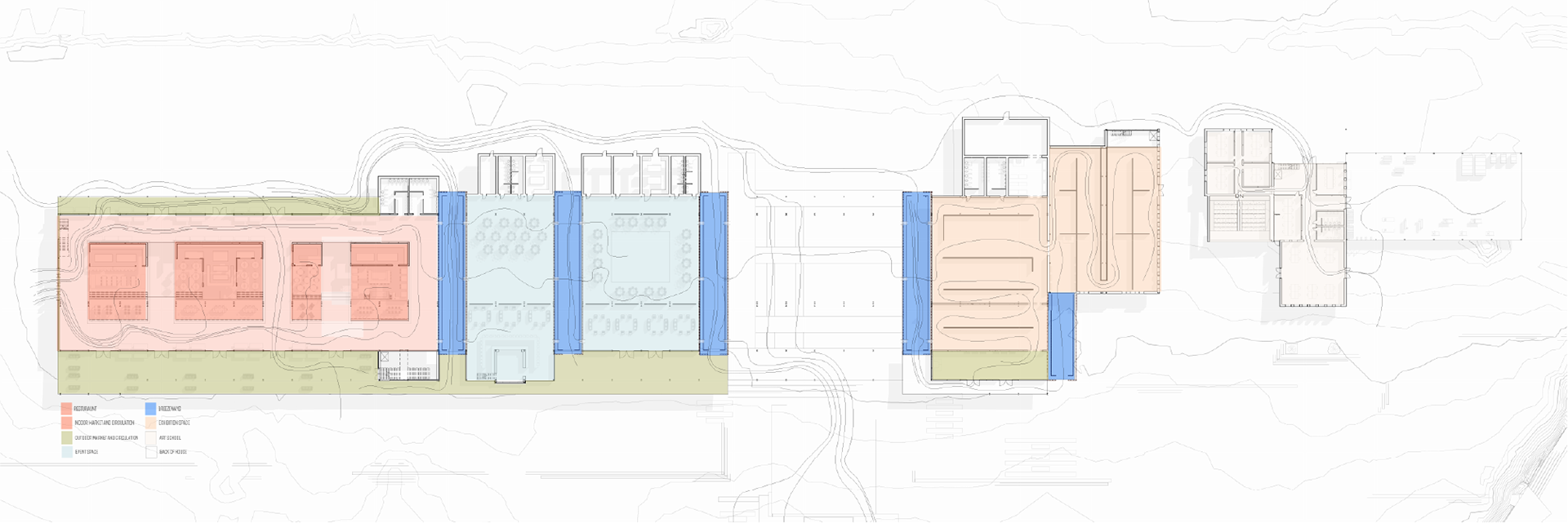
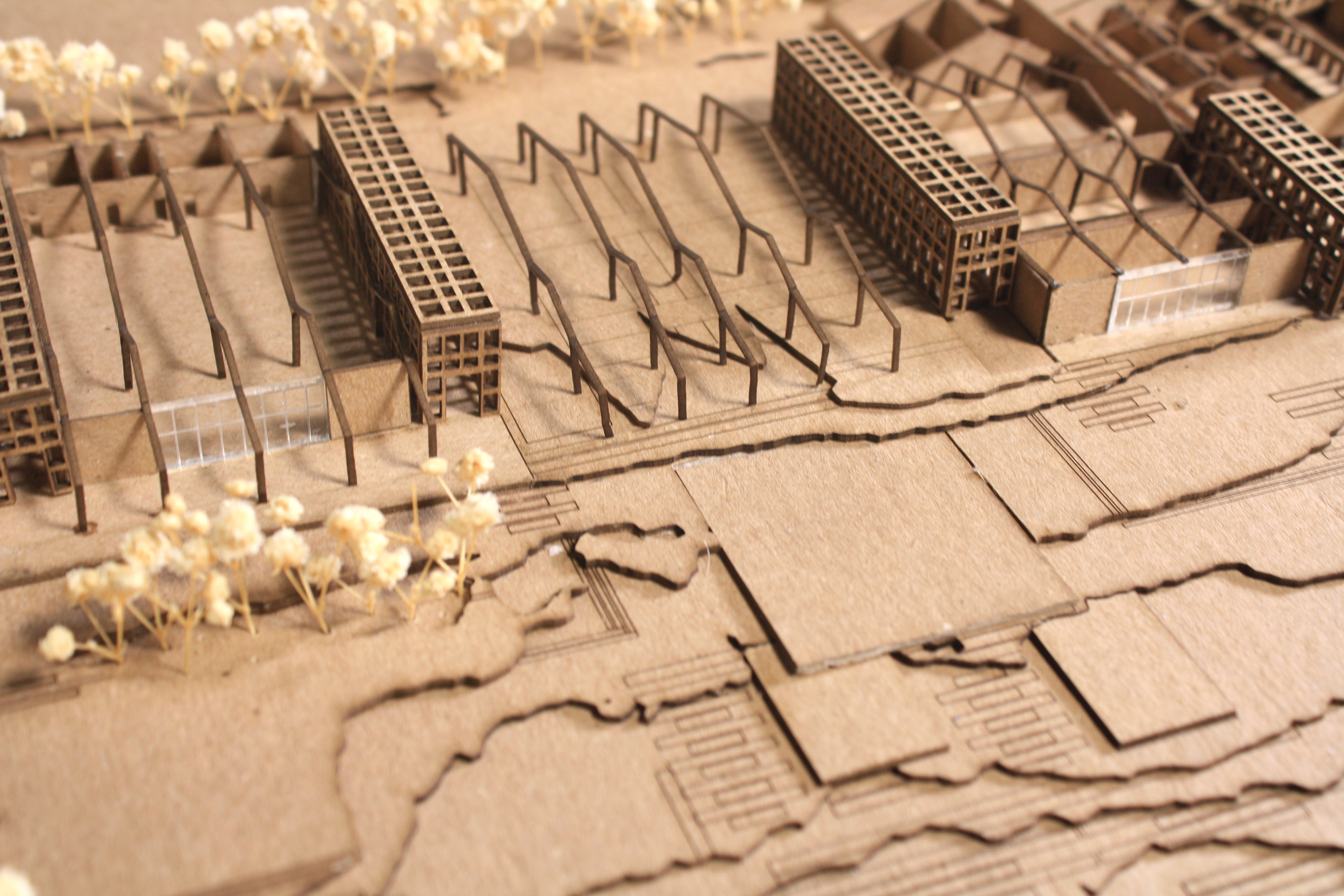
My studio partner and I chose to program this space into 6 different programs: Market space, four sunken restaurants, two flexible event spaces with a day to day full functioning bar, a sculpture garden, and an art school on the far east end. Although the art school is on the furthest end of the building the art produced permeates throughout the entire building in different ways creating a curious and artistic experience in the entirety of the building. The sculpture garden still leaves the original steel framing while removing all the rest of the original structure, showing a "ghost" of the building that once existed.

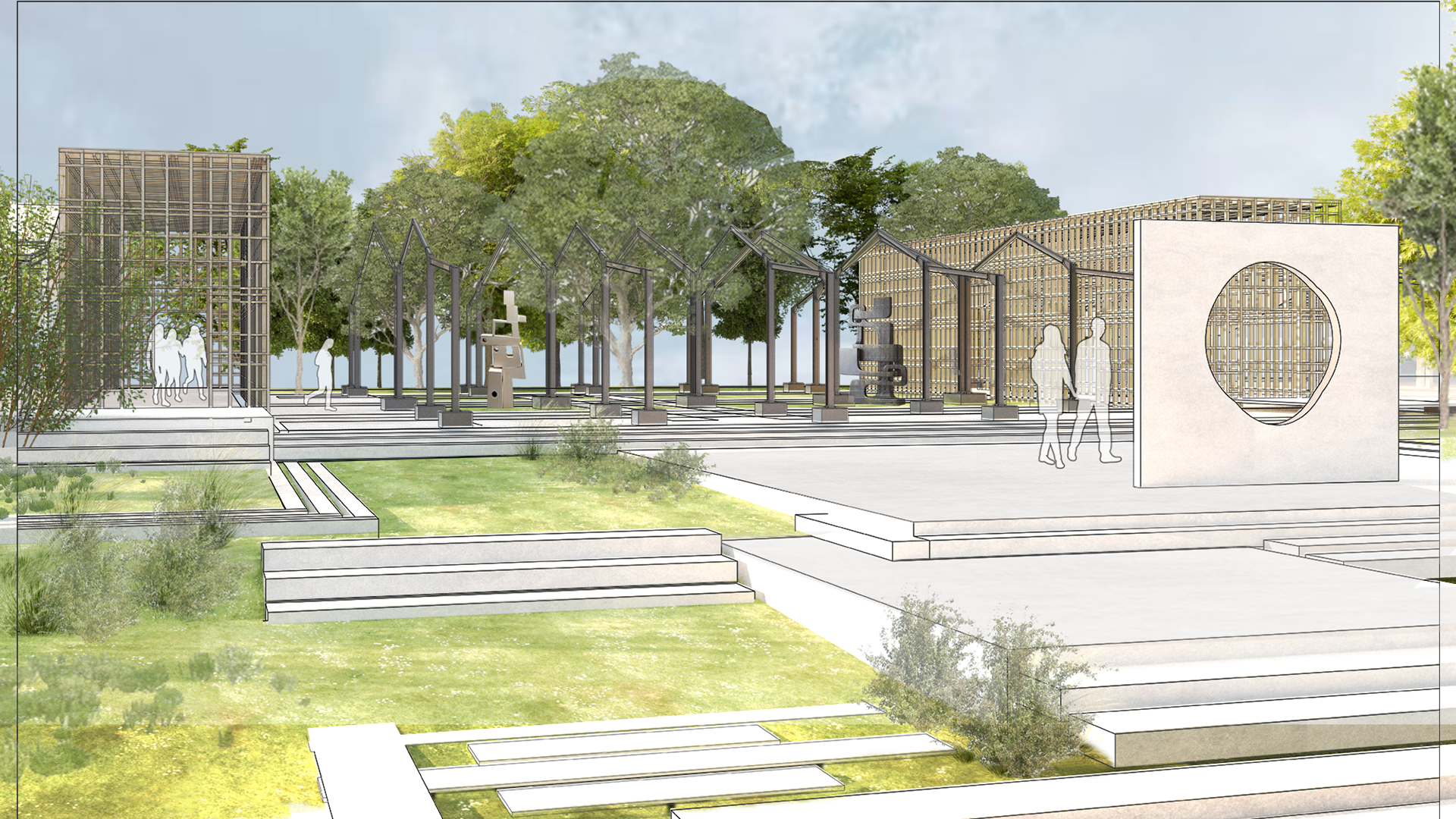
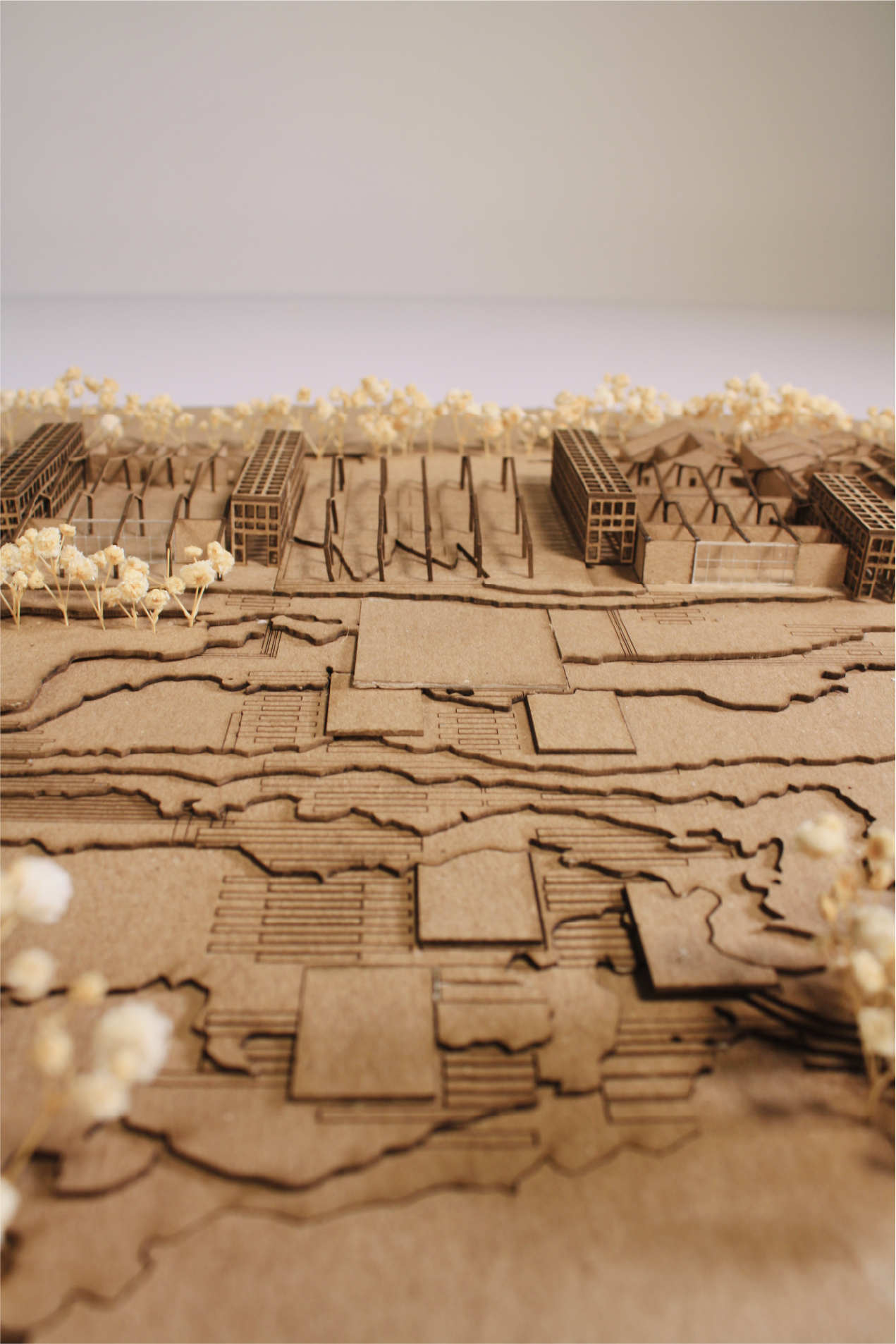
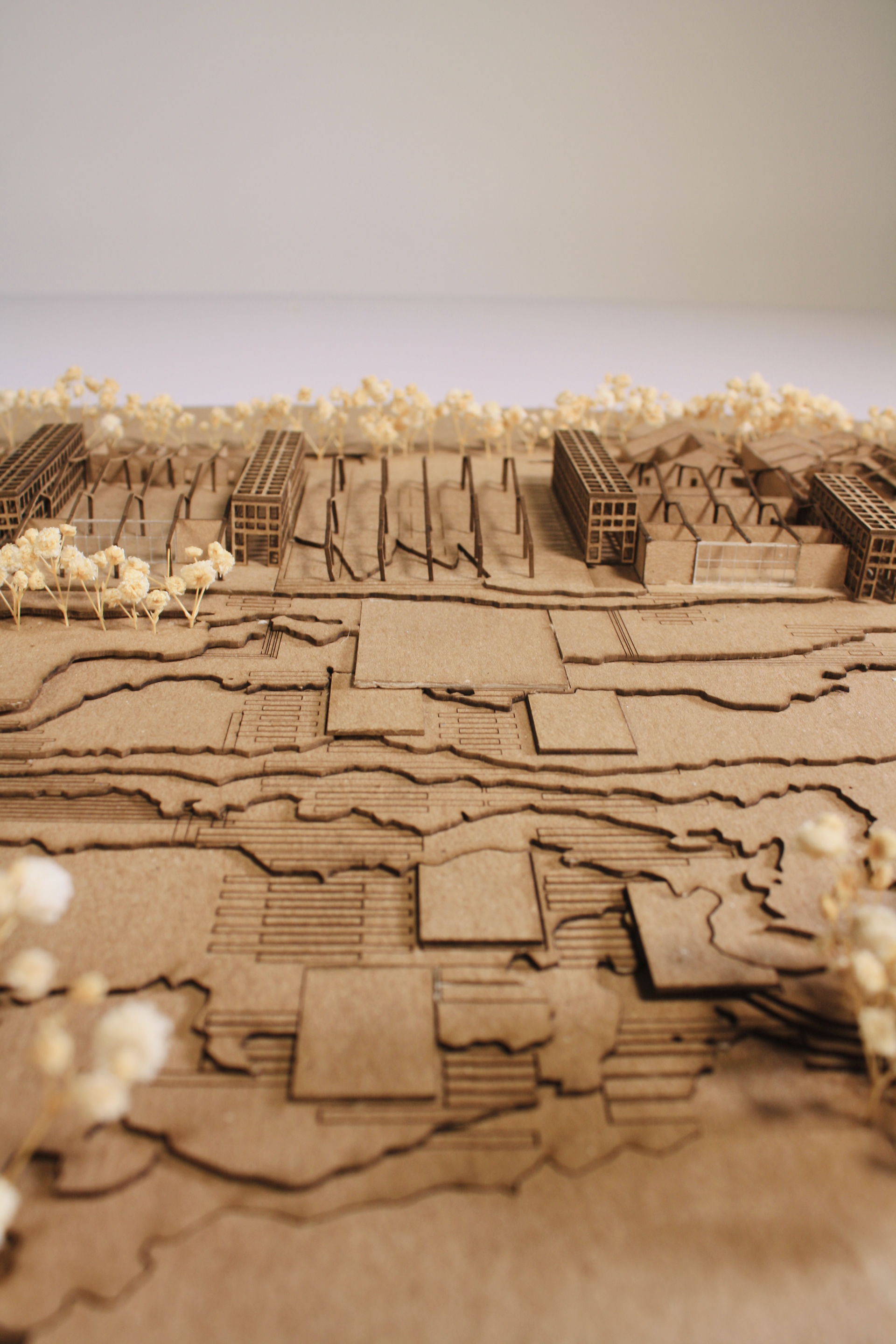
The main landscape feature connects with the main building cut out and pulls you directly to the water. This stair and platform addition fits along with the original topography that navigates down towards the water in different pathways. This feature can be used for sculptures and installations, concerts and other gatherings, workout space, or to sit and reflect. Other small steps and pathways can be found in other points of the landscape and can lead you into the water. Another consideration of this feature is the flooding tendency of the landscape, as it sits on a 500 year flood plain. As the water rises and falls, the feature can highlight the water levels instead of the water consuming it.
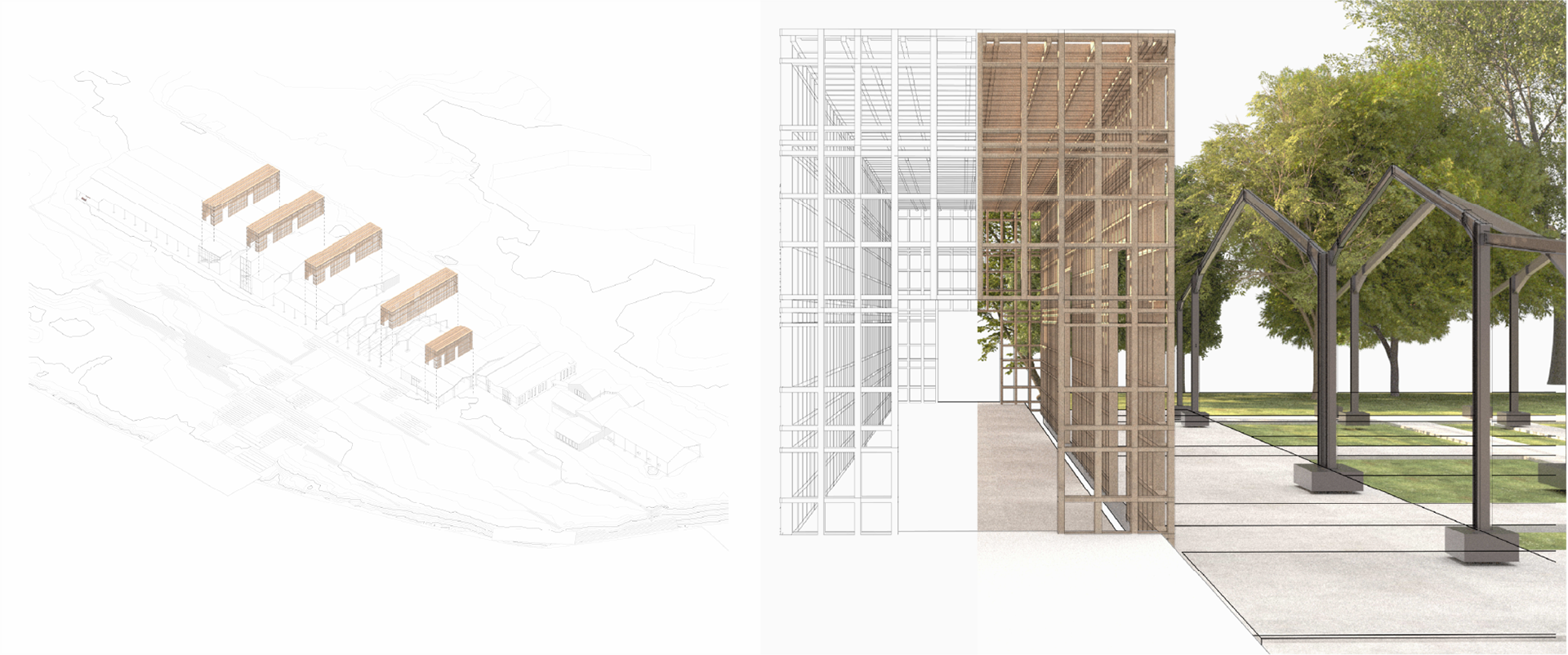
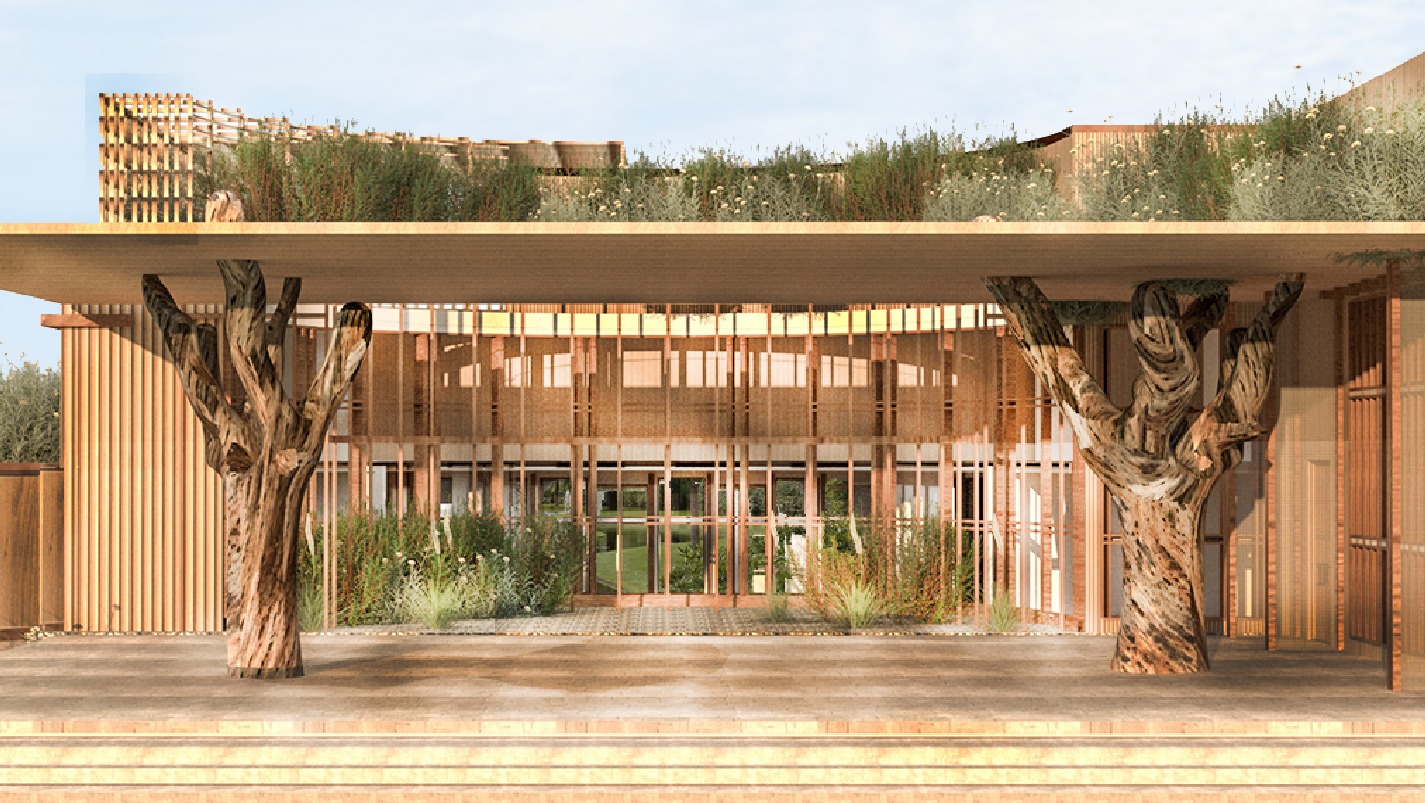
Aside from the sculpture garden, the building is broken into pieces to respond to the building's original density. These framing systems create breezeway moments that allow the occupants to pause, refresh, and get fresh air before continuing through the building or returning to what they were doing. It also is intended to create a moment in the façade where you can easily pass completely through the building and reach the north pathway or south side landscape features.
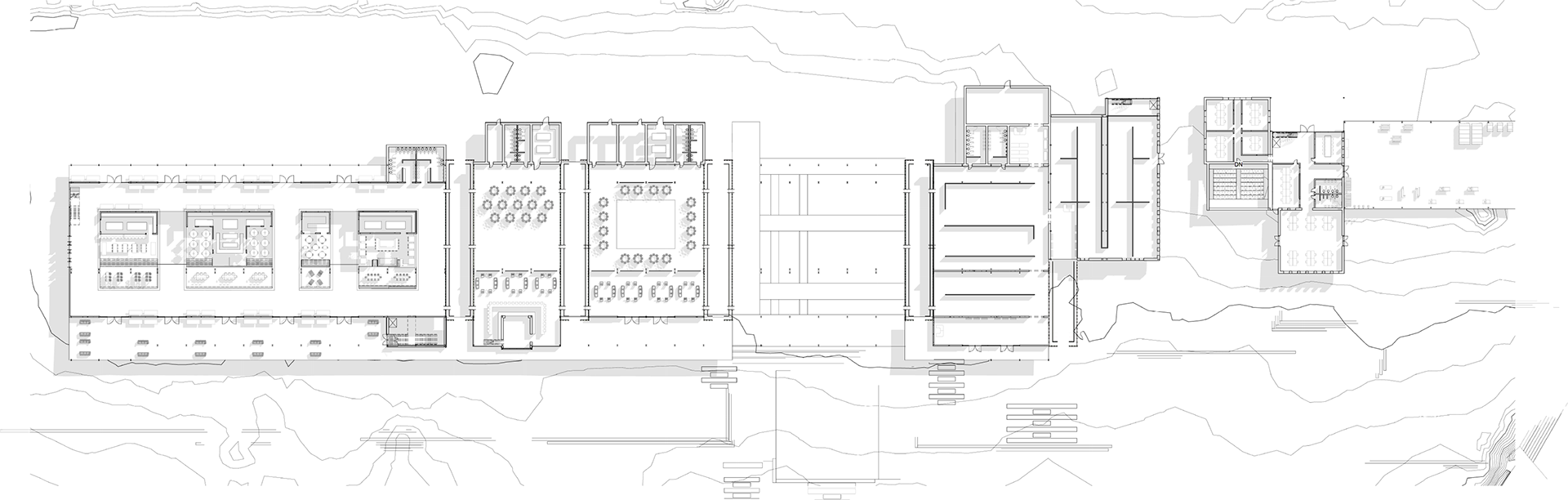
The building is entered on the west side of the site and immediately into the market and restaurant spaces. The markets circulate around the restaurants as well as the northern and southern exterior walls to create a connection with the outdoors. The restaurant and door placement aligns with the original grid structure creating direct axes to the exterior landscape and the view to the river.
As you continue through the building the next spaces are the event spaces. The two main spaces can be broken into 4 separate ones through foldable partition walls. The partition walls have interchangeable panels that can display art installations from the art school or the community.
On the other side of the sculpture garden lives the exhibition space. It's simplicity allows for the art to speak for itself and be highlighted among the other pieces. The installations can be hung from the exposed structures or from the moveable white walls. The upstairs balcony space is for admin and other students to walk around and observe from above.
Restaurants and Market Area

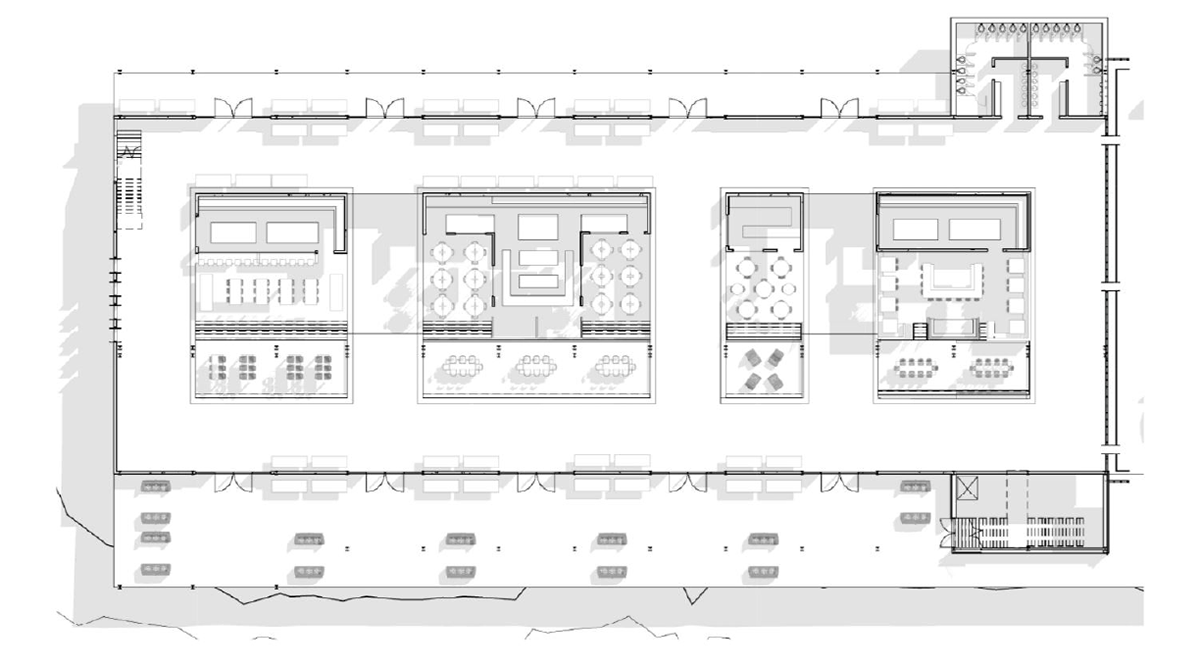
Each restaurant has art integrated within it in its own unique way, creating a distinct experience within each. Each restaurant drops down one step with dining and seating space, and then continues to drop down three more feet into the main restaurant spaces. Above the restaurants sits the mezzanine area where there are rentable art studio spaces for local and visiting artists can come and paint, collaborate, and enjoy the scenery. The spaces can also be flexible for an art supplies store and other retail marketed towards the arts.
Event Space
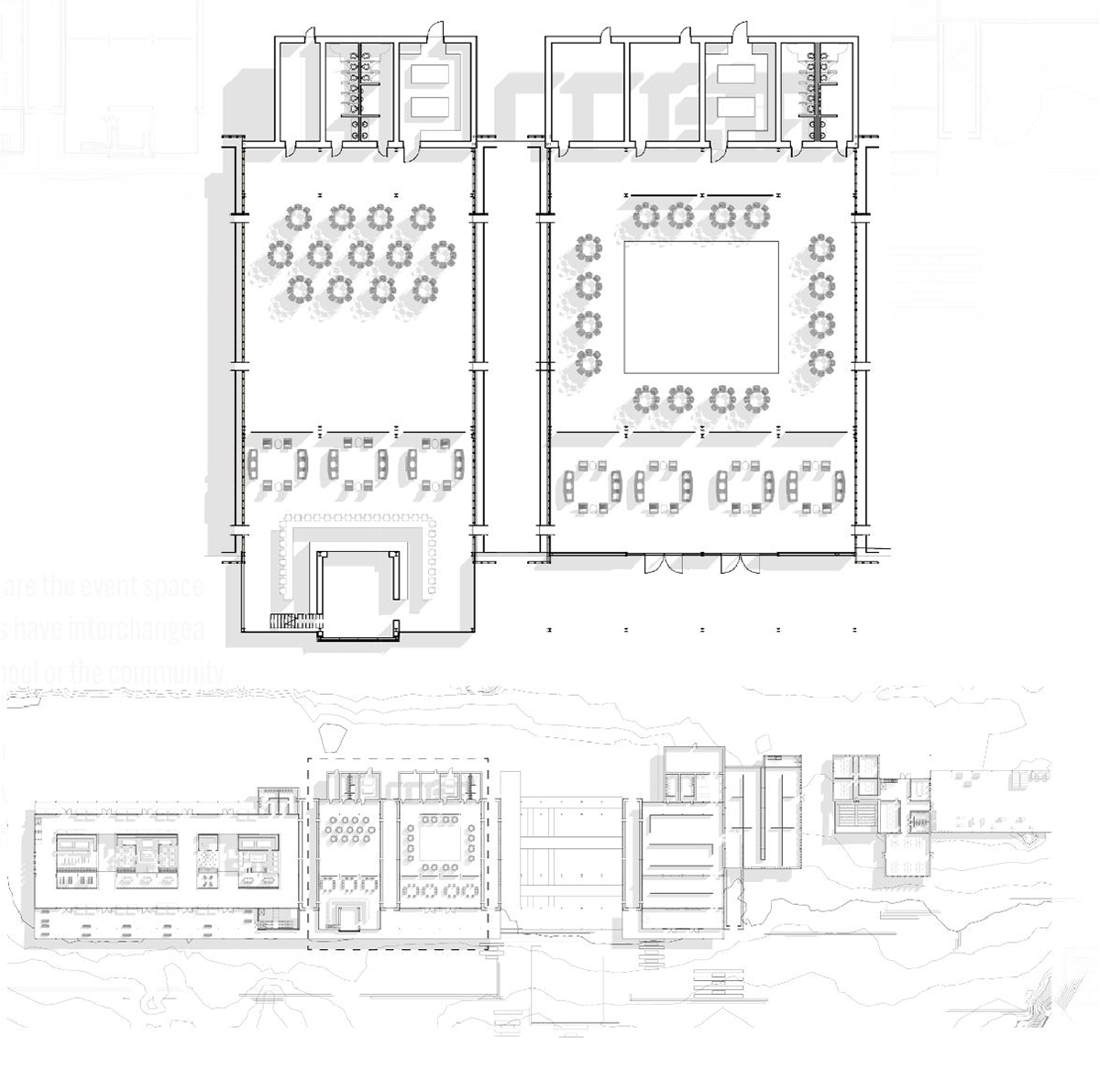
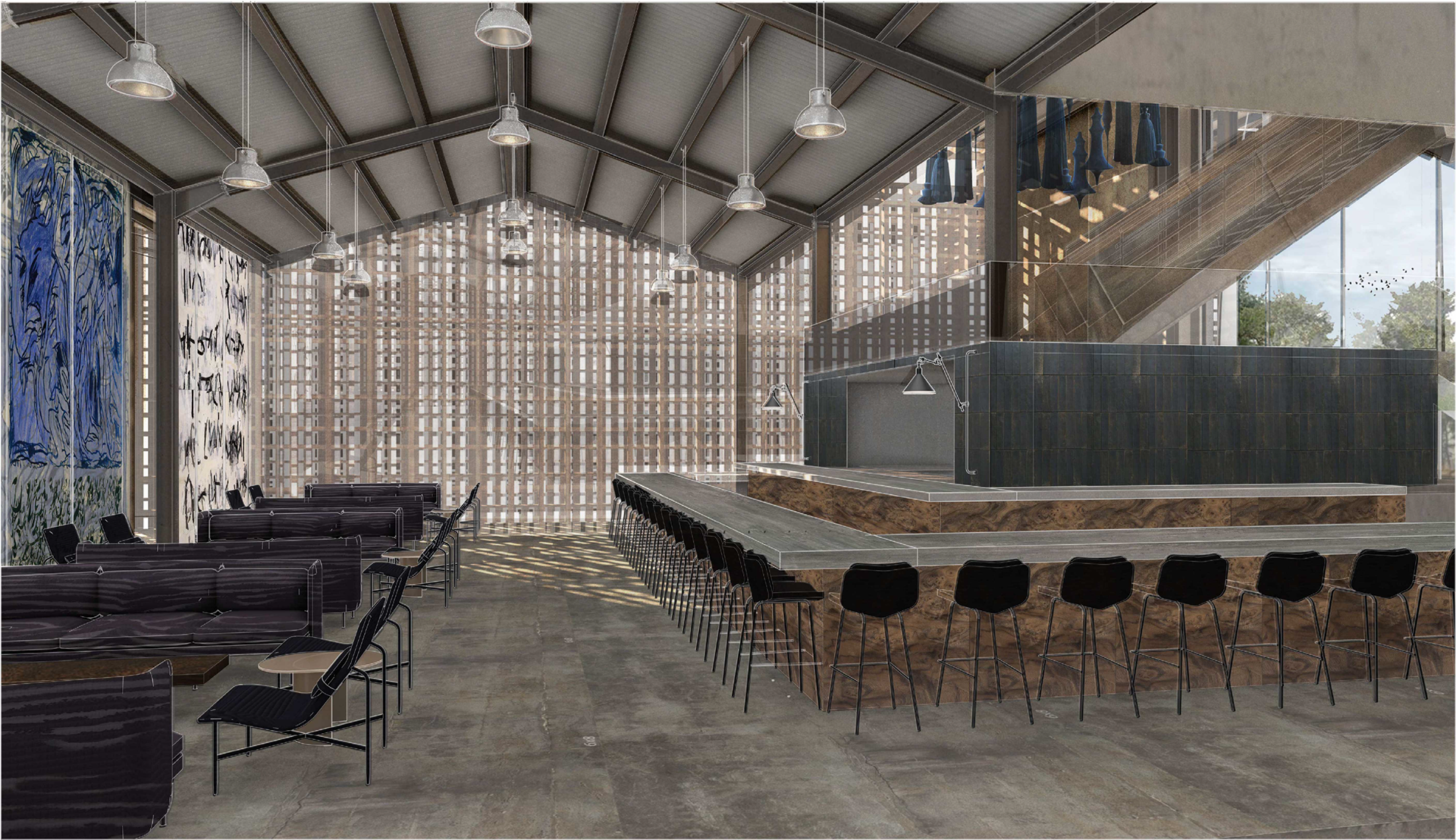
In the first event space, there is a full functioning bar that is open to the public in its day to day operation unless it is rented out for an event. The framing systems divide up the two main event spaces and the doors can be opened to make one large space. Both are equipped with storage, catering kitchens, and bathrooms, as well as access to an exterior wall for loading and unloading equipment. The event space bar also engages the original tower structure as a mezzanine balcony to overlook the event spaces, and if you continue up there is an observatory that overlooks the river and landscape features.
Physical Model